
There’s a big difference between flying a drone… and flying it aggressively.
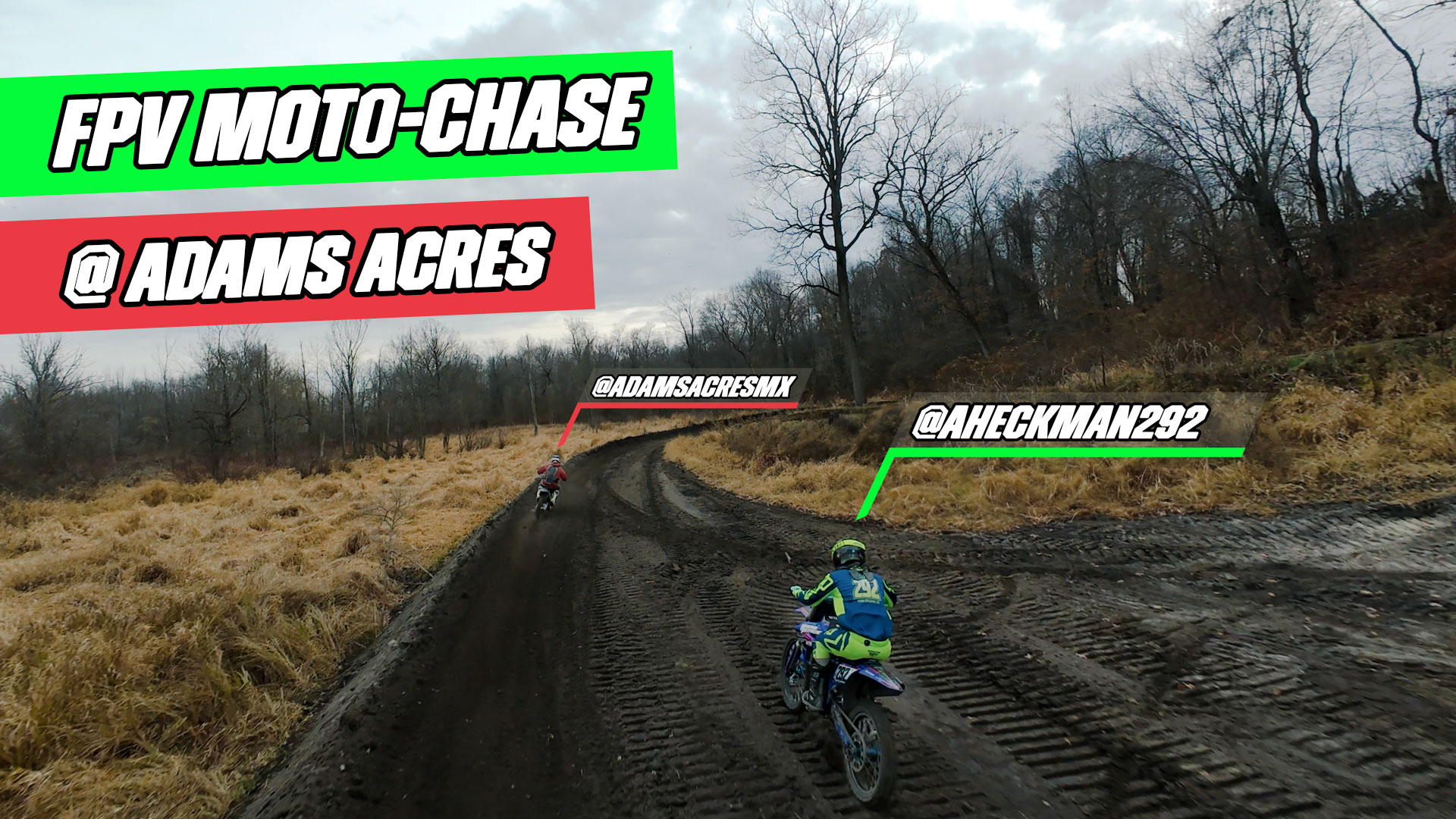
Recently, I took my DJI Avata 2 out to a private dirt bike track in Howell, Michigan with my friends Adam Acers and Alex Heckman. It was my first time really pushing the Avata in full FPV mode — low, fast, and right in the action.
And yeah… I crashed.
A lot.
But that’s part of it.
Learning to Fly Aggressively
Up until now, most of my drone work has been cinematic — smooth movements, controlled reveals, strategic framing.
FPV with the Avata 2 is a different animal.
You’re not floating.
You’re attacking lines.
You’re committing to movement.
The first few runs were rough. Timing was off. My lines weren’t clean. I clipped berms. I misjudged speed. I went down more than once.
But here’s the impressive part: the Avata 2 took the abuse. Dirt, impact, tumbles — it kept powering back up and asking for more.
That durability gave me the confidence to keep pushing.
Flying Through Roost
If you’ve ever stood behind a dirt bike when it punches the throttle, you know what “roost” really means.
Walls of dirt.
At one point I was flying directly behind the bikes as they accelerated out of corners — dirt flying straight into the drone. You’re blind for a split second, trusting your line and throttle control, hoping you come out clean.
It’s chaotic.
It’s loud.
It’s unpredictable.
And it makes incredible footage.
Electric vs Gas — Two Different Sounds, Same Speed
Adam rides an electric dirt bike — completely silent except for the whine of torque and dirt ripping under the tires. It feels futuristic watching it move that fast with almost no engine noise.
Alex, on the other hand, is on gas — and you feel it. The throttle response, the engine bark, the aggression in every jump. Alex is a racer, and it shows in his lines and consistency.
Chasing both of them back-to-back was a wild contrast:
-
Silent speed vs combustion chaos
-
Smooth torque vs explosive throttle
-
Two different riding styles, same intensity
From an FPV perspective, it forced me to adapt quickly.
Finding the Flow
The breakthrough moment came when I stopped reacting… and started anticipating.
Instead of chasing the bikes, I began reading their lines:
-
Watching body position before a jump
-
Noticing throttle cues before lift-off
-
Anticipating where the landing would place them
Once I found that rhythm, everything changed.
I could:
-
Time the jumps properly
-
Position the camera at lift-off
-
Float alongside them mid-air
-
Drop back into corners without overshooting
That’s the flow state FPV pilots talk about. When your thumbs and the drone feel connected. When the camera placement becomes instinct instead of correction.
That’s when it gets fun.
Why This Matters for Brandon Damon Video
This wasn’t just a joy ride (although it definitely was that).
Flying FPV aggressively expands what I can offer clients:
-
Action sports coverage
-
High-speed tracking shots
-
Dynamic brand visuals
-
Immersive point-of-view content
Not every product or brand fits into a perfectly stabilized cinematic frame. Sometimes the energy demands something raw, fast, and immersive.
This was my first time truly pushing the Avata 2 to its limits — and it opened up a whole new lane creatively. I also added some After Effects graphics, to label my racers and provide something beyond the usual video clips of drones and dirt bikes. Some elevated video production quality for you to digest.
Crashes Included
I’ll be honest — I crashed more in one afternoon than I have in months.
But every crash taught me something:
-
Speed judgment
-
Line discipline
-
Throttle control
-
Camera angle positioning
And the drone kept coming back for more.
That’s how you grow. I hope you’re enjoying the ride too.
Hope You Enjoy the Ride
We captured some wild moments out there in Howell. Dirt flying, bikes ripping, electric torque whining, gas engines screaming — and a drone trying to keep up.
I’m excited to share this joy ride with you.
And next time?
I’m going even harder.
Leave a Reply